Explore our state-of-the-art training models recommended for medical colleges, rescue teams, and professional training centers.
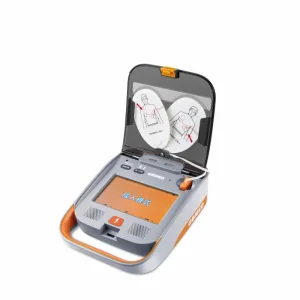
Direct factory production. Ideal for medical education, nursing institutions, and BLS courses.
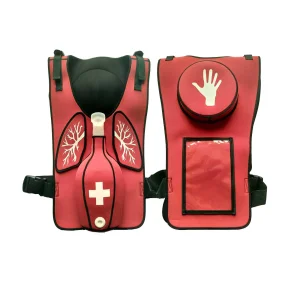
Designed for wearability during dynamic choking scenario simulations and emergency drills.
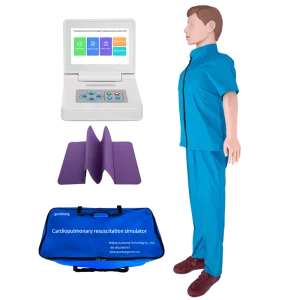
Interactive console feedback providing compression depth, frequency, and ventilation metrics.
Affordable, high-durability AED training simulator programmed with multiple scenario scripts.
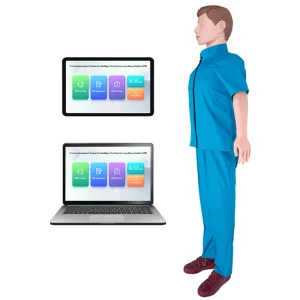
Equipped with real-time compression indicators to measure CPR efficiency automatically.
Premium materials and electronic console interfaces for accurate clinical grade evaluations.
Software-enabled analysis modules tracking cardiopulmonary resuscitation statistics and scores.
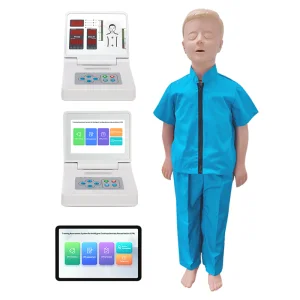
Accurate pediatric anatomy with lung bag expansion simulation and standard feedback.
In the macro-medical education market, pediatric emergency response represents a specialized, high-stakes domain. Statistically, pediatric cardiopulmonary arrest differs fundamentally from adult cardiac arrest. While adult cases are predominantly cardiogenic in origin, infant emergencies often stem from respiratory failure, airway obstruction, or accidental drowning. Consequently, the physiological parameters required for effective training models—specifically compression depths, anatomical structural compliance, and airway dynamics—demand a vastly different engineering approach.
Historically, high-fidelity pediatric simulators were restricted to niche, capital-intensive markets, with astronomical unit costs limiting their adoption to premium medical colleges. However, the integration of advanced Chinese manufacturing clusters has reshaped the global medical simulation landscape. As leading cheap infant CPR first aid manufacturers, domestic production facilities now leverage advanced injection-molding technology, high-durability TPE (Thermoplastic Elastomer) polymers, and precise electronic sensor integration to dramatically reduce production costs without compromising clinical fidelity.
Today, the global market demands a dual-track strategy: cost efficiency paired with certified precision. Academic research confirms that trainees using feedback-guided infant manikins demonstrate up to a 45% improvement in chest compression quality. Thus, global distributors look to reliable factories capable of delivering certified, AHA (American Heart Association) compliant models that feature real-time pressure, depth, and volume sensors at competitive B2B wholesale prices.
Beijing Guanbang Medical Technology Co., Ltd., established in Beijing in 2016, is a premier, high-technology enterprise specializing in the research, development, structural design, manufacturing, and global supply of advanced medical training models. With a cutting-edge production base spanning approximately 10,000 square meters, we maintain a complete supply chain from raw material sourcing and polymer processing to advanced circuit board design and automated assembly.
Our core R&D and engineering team features technical experts holding master’s and doctoral degrees from renowned academic and research institutions, including the Chinese Academy of Sciences (CAS), Tsinghua University, and the Beijing University of Technology (BJUT). Backed by almost two decades of collective industry experience, we offer comprehensive, tailored medical emergency training solutions that encompass adult, pediatric, and neonatal emergency simulation environments.
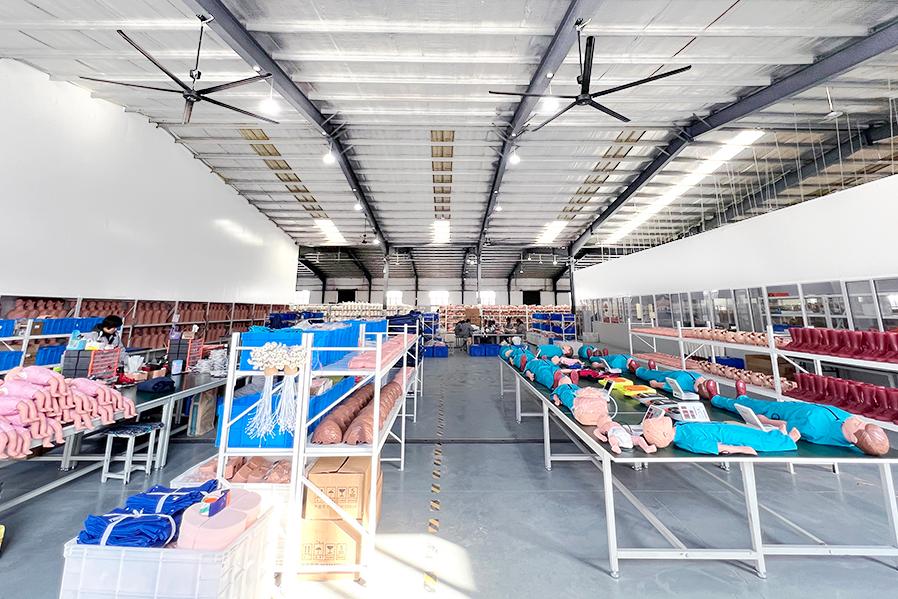
Advancing life support simulation using polymer engineering, IoT connectivity, and algorithmic feedback systems.
Utilizing high-purity medical-grade thermoplastic elastomer (TPE) and silicone molding technologies. This ensures realistic anatomical features, human-like skin texture, lifelike rib compliance, and high durability for repetitive chest compressions.
Incorporating custom-developed microcontrollers and pressure sensors. The systems measure real-time compression depth, frequency, and hand placement. Real-time visual and voice alerts immediately prompt training adjustments.
Integrated Bluetooth interface that communicates directly with central monitor consoles or tablets. Facilitates efficient "one-to-many" group classroom monitoring, assessment logging, and data output for instructors.

Our ongoing design improvements focus heavily on pediatric airway simulation. In infant emergencies, airway obstruction via foreign bodies is extremely common. Guanbang's proprietary mechanical valve structures recreate lifelike choking scenarios (Heimlich maneuver), offering real physical feedback when chest thrusts or back blows are performed correctly. This mechanical precision helps bridge the gap between academic theory and high-stress real-world application.
Furthermore, our team's structural advancements have optimized the manufacturing cost of internal lung bags. By utilizing disposable, easily replaceable polymer bags, we ensure maximum sanitary conditions during public training events while maintaining the lowest total cost of ownership for educational institutions.
A. Advanced Digitalization & Hybrid Classrooms: Medical simulation is shifting away from static plastic models. The contemporary trend demands integration with smartphone apps and virtual coaching. Users require immediate feedback scoring, allowing self-directed learning paths. Guanbang's "one-to-many" Bluetooth system allows a single instructor to manage up to ten infant simulators simultaneously, capturing precision data metrics.
B. Public and Corporate First Aid Mandates: Global compliance laws increasingly mandate first aid certifications in schools, childcare centers, and military facilities. This has created a surge in need for rugged, portable, and affordable simulation solutions. From professional first aid training centers in European municipalities to public welfare installations in developing nations, accessibility to reliable models remains critical.
C. Emergency Rescuer and Military Application: Our products have been successfully evaluated in intense emergency scenarios. At the 11th China (Beijing) Military Intelligent Technology & Equipment Expo, Guanbang's high-stability simulation technologies were featured for combat casualty care training, highlighting the durability and adaptability of our structural polymer designs under rugged conditions.
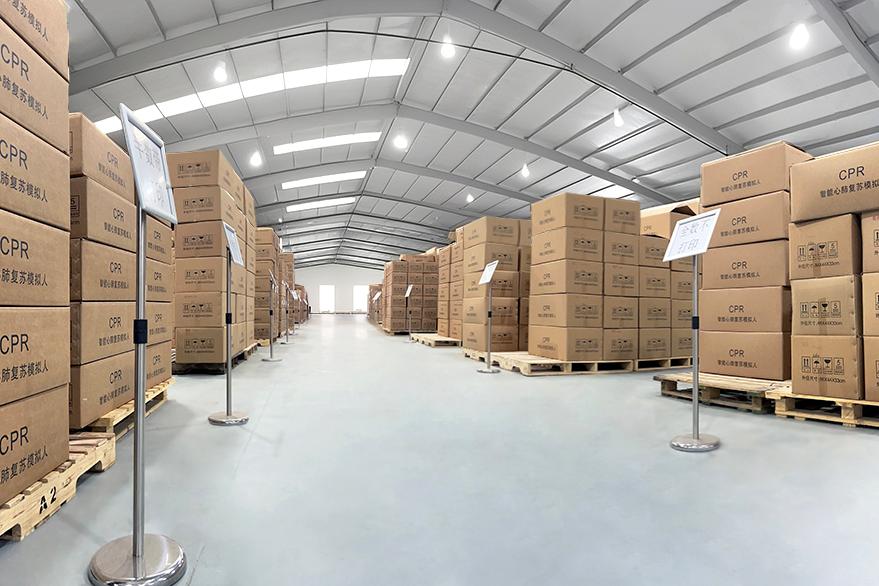
Comprehensive product portfolios and manufacturing flexibility designed to resolve critical supply chain pain points.
Purchasing agents face significant challenges balancing quality constraints with budget restrictions. Guanbang bridges this gap by functioning as both a developer and direct-to-market manufacturer. Our catalog spans three central divisions: AED training devices, cardiopulmonary resuscitation models (adult, child, and infant), and airway obstruction (Heimlich maneuver) models. With over 30 unique product specifications, we ensure buyers secure optimal equipment alignments matching specific curriculum demands.
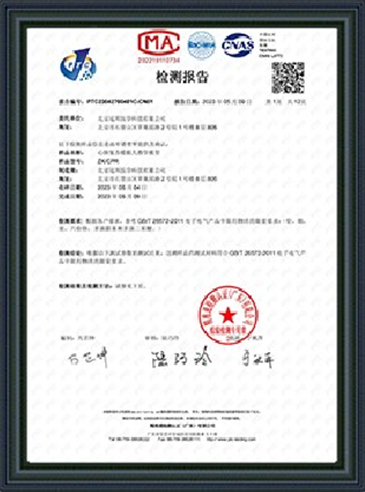
Beijing Guanbang maintains rigid adherence to ISO certifications, environmental compliance, and worker safety guidelines.
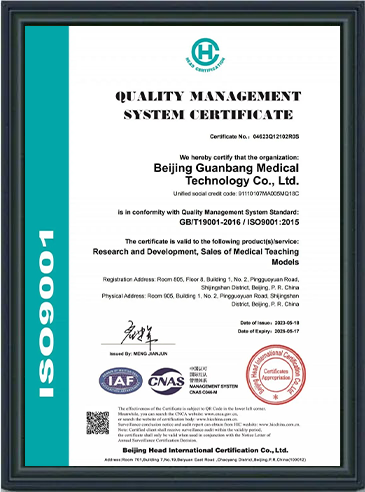
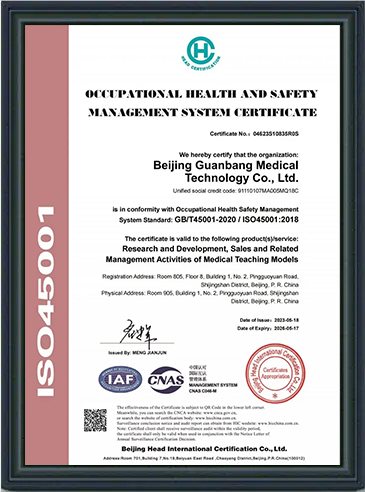
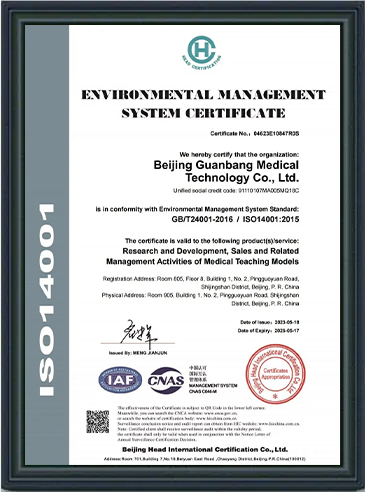
From international expos to local public safety training, our simulators are field-tested and socially driven.
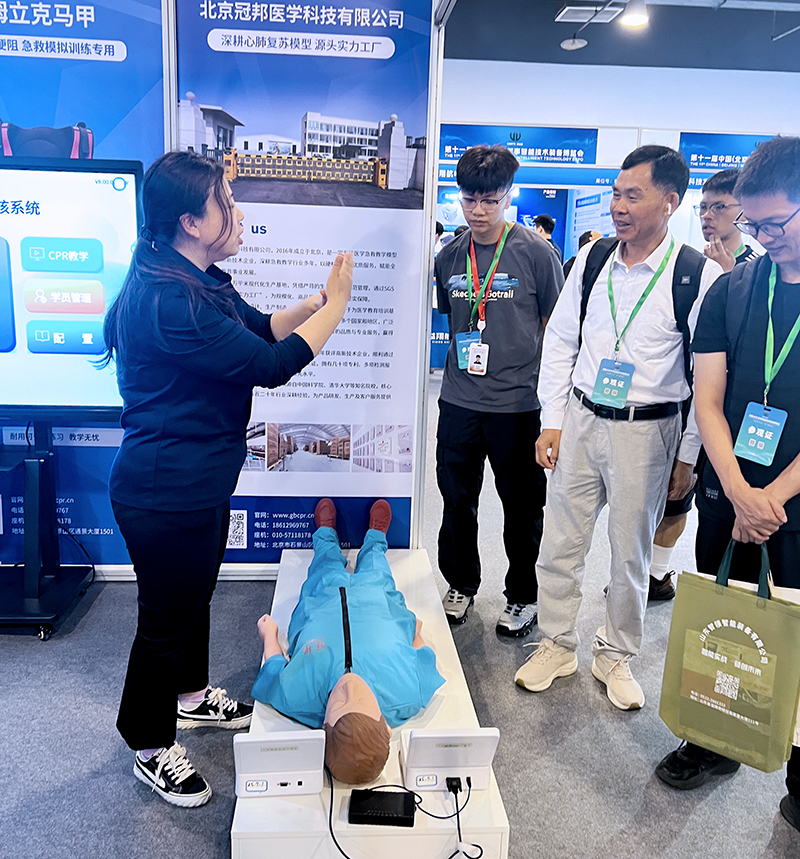
Guanbang featured advanced combat simulation designs at the Beijing National Convention Center, validating ruggedized system parameters.
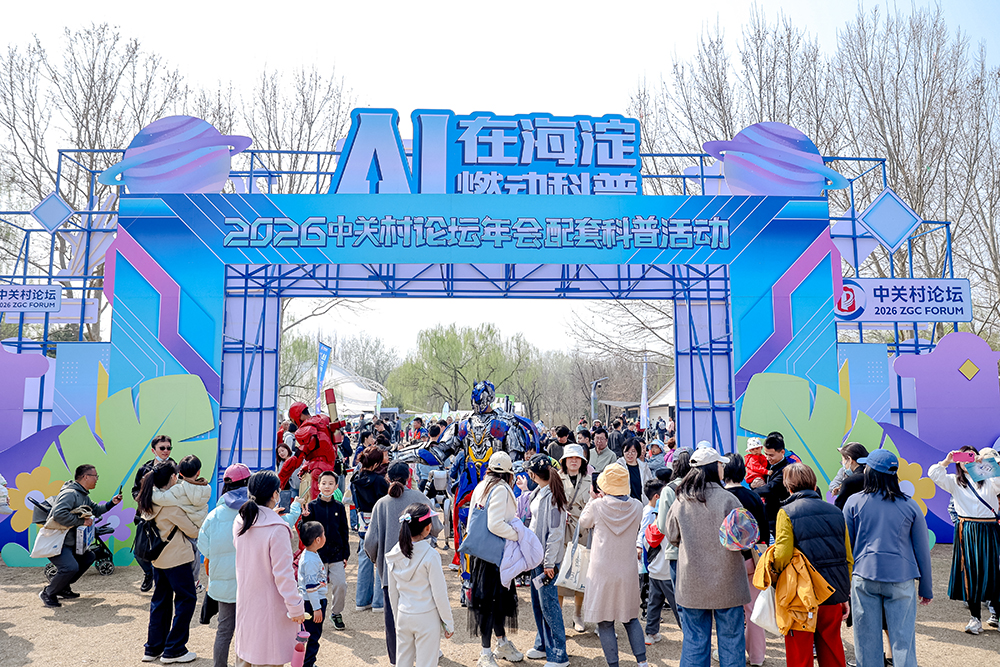
Showcased our unified 'one-to-many' wireless CPR systems at the Zhongguancun Forum, helping popularize digitized first aid solutions.
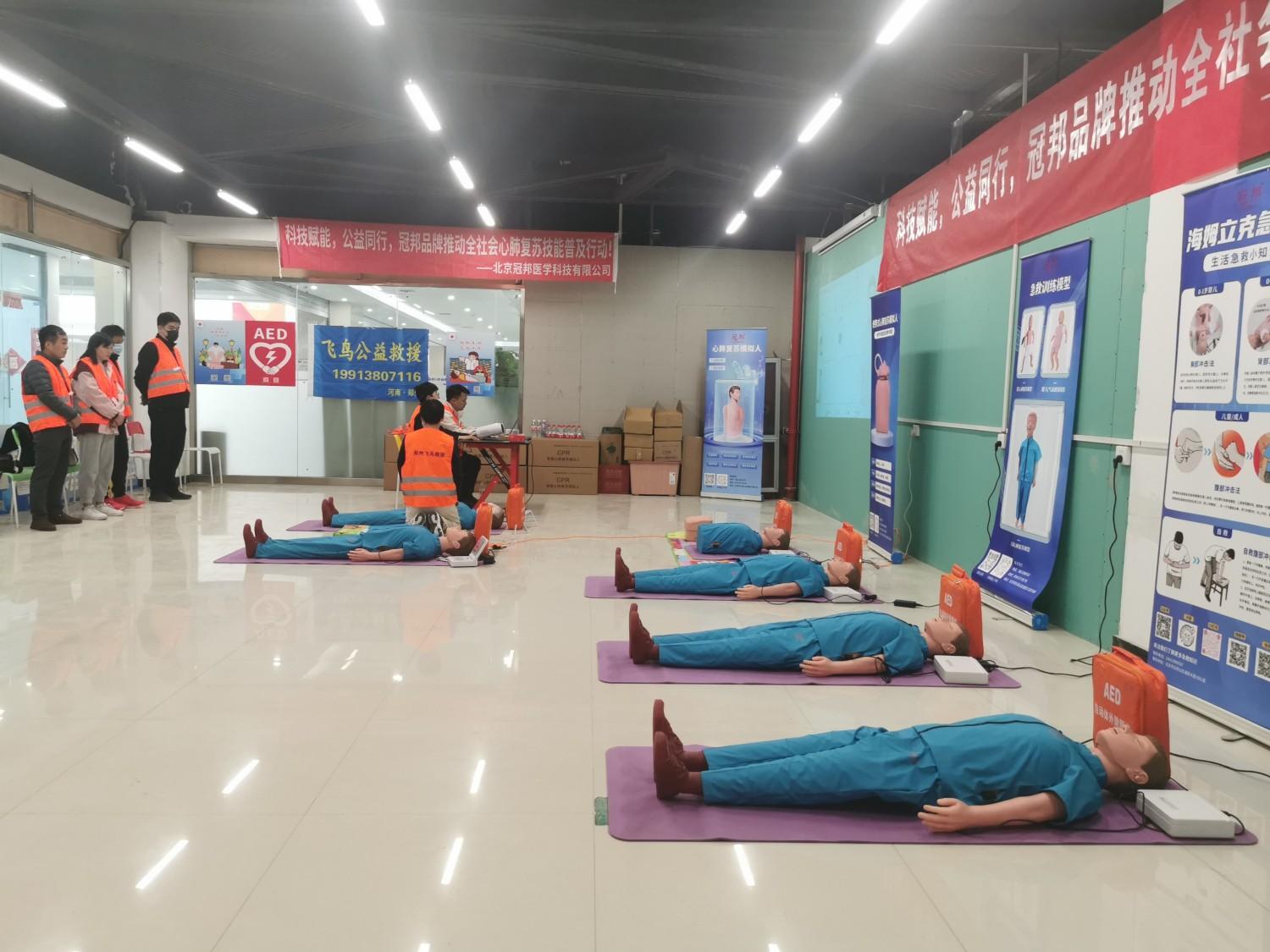
Partnered with the Feiniao Emergency Team in Zhengzhou to establish a free learning center for hands-on public emergency instruction.
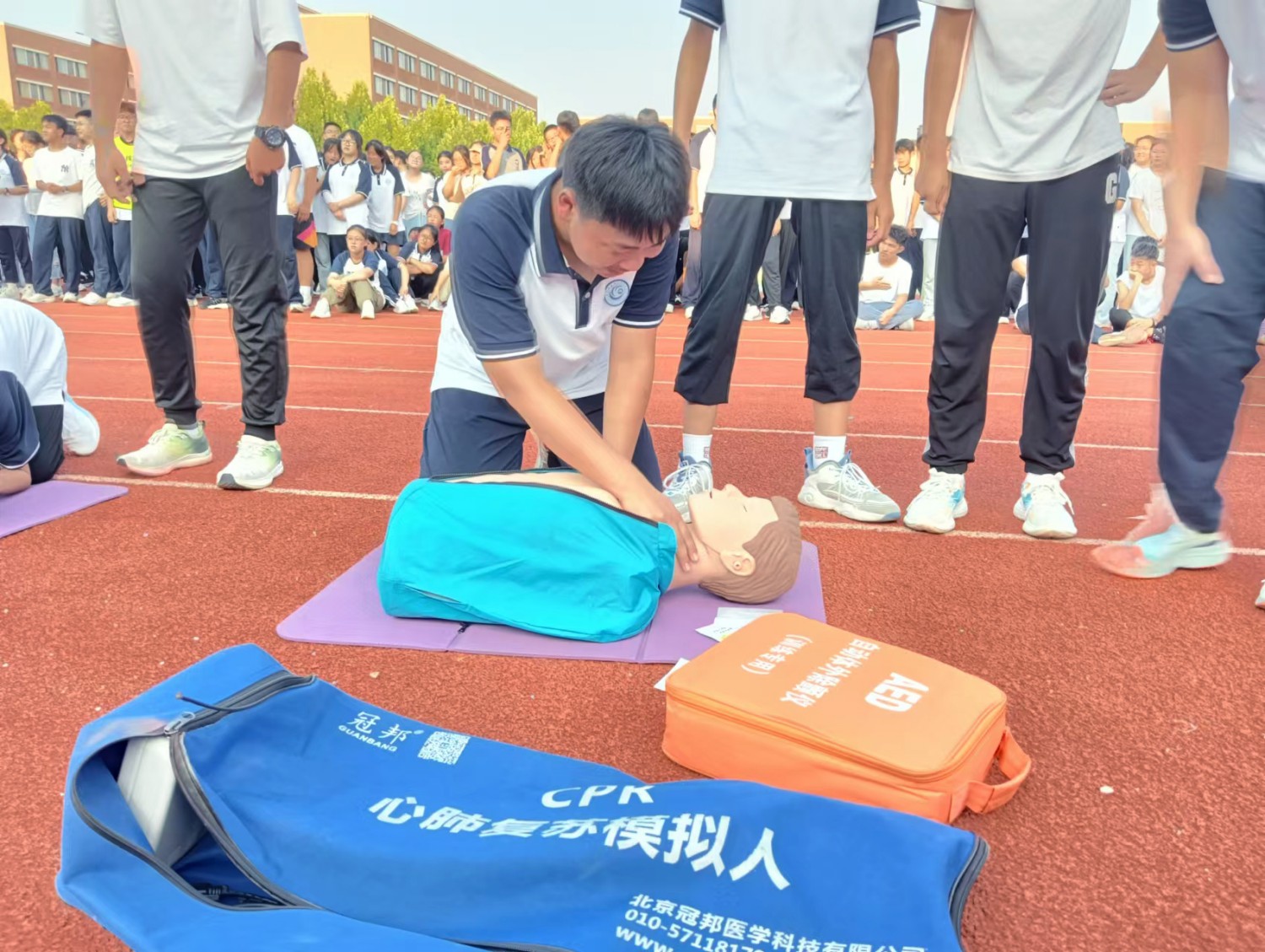
Successfully deployed batches of customizable child and infant simulators to enhance young students' emergency response skills.
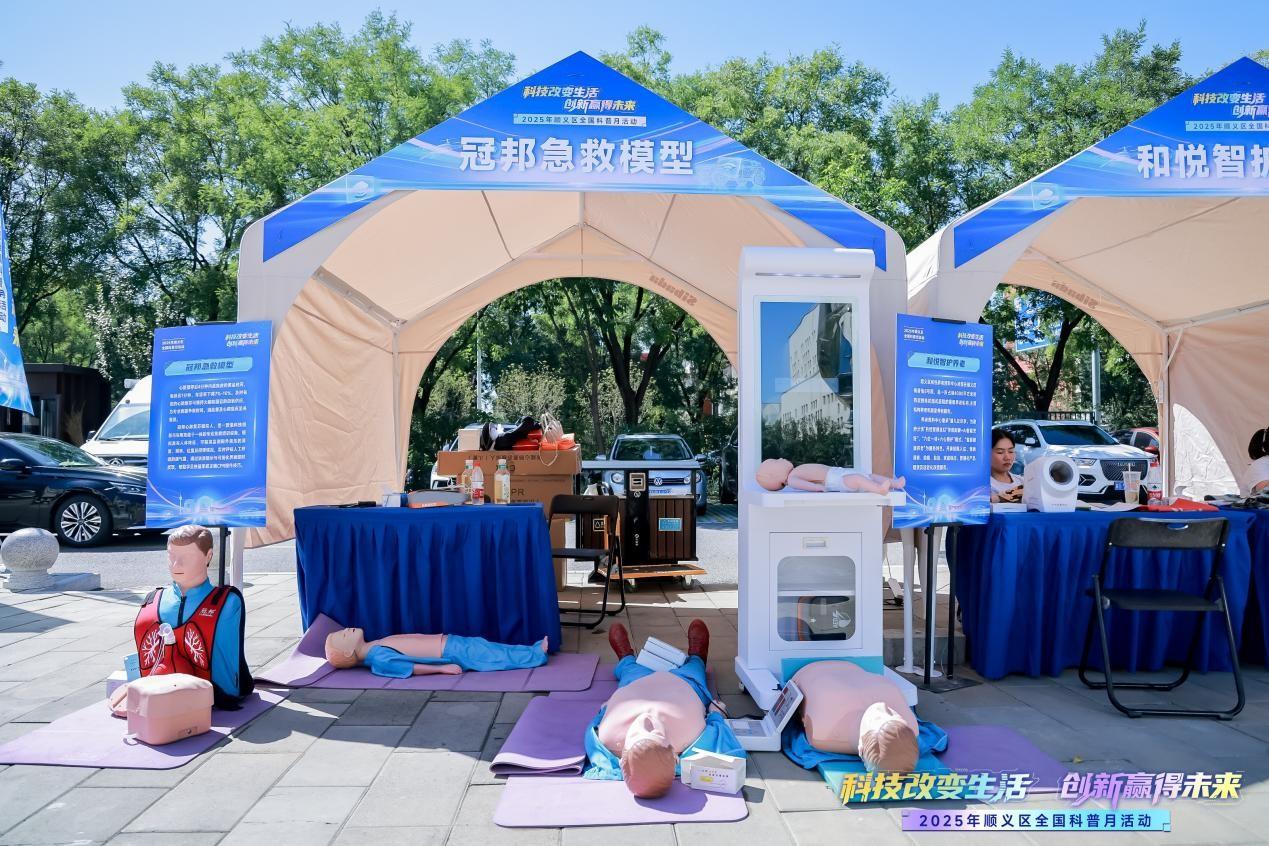
Guanbang's interactive smart trainers generated enthusiastic public interest and elevated community safety literacy levels.
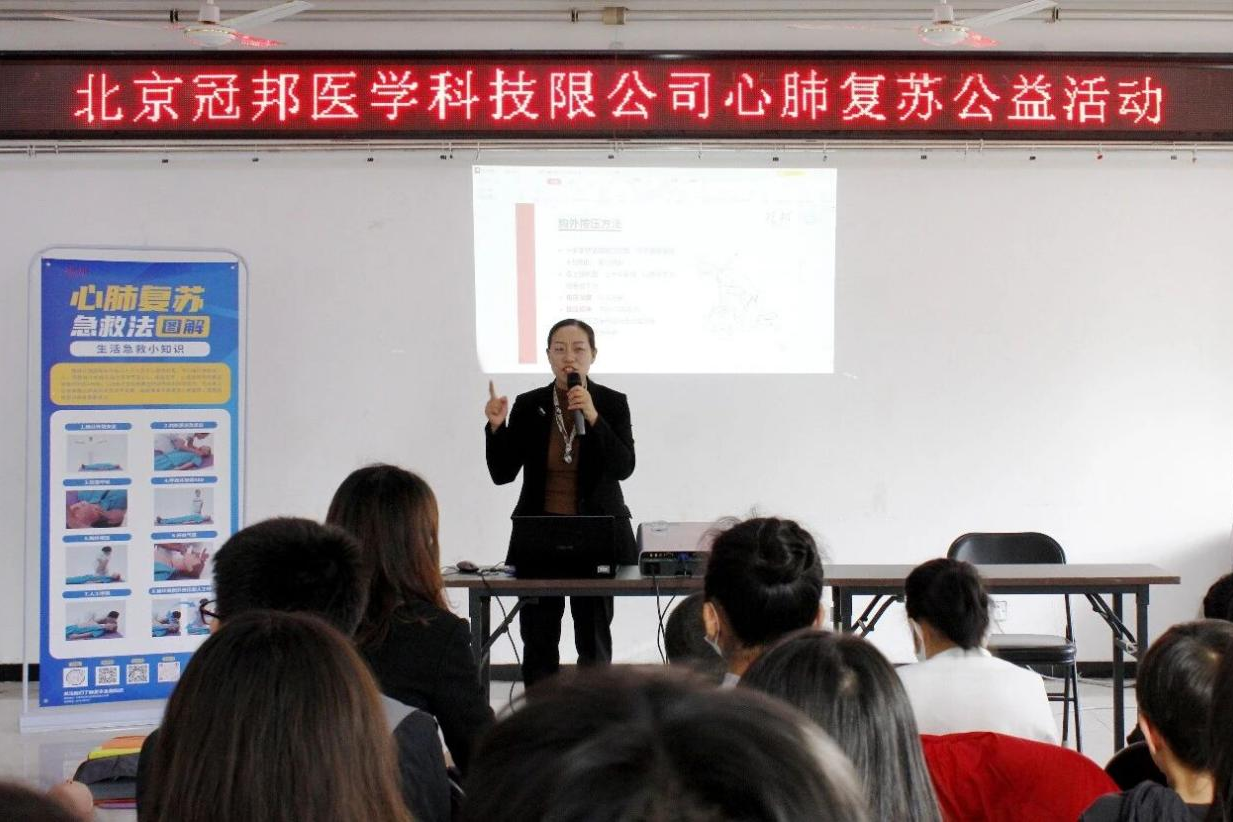
Conducted hands-on training themed 'Cherish Life, First Aid is Always Around' at Shijingshan District, engaging families in safety education.
Answers to critical technical, manufacturing, and procurement inquiries from global distributors and educational buyers.
A: Cost-effectiveness ("cheap") in Guanbang's manufacturing lexicon does not refer to compromises in materials or compliance. By housing research, mold development, circuit board assembly, and finishing processes under a single 10,000 square meter factory, we eliminate third-party markup. The cost reduction is passed directly to the distributor.
A: Yes. All of our child and infant CPR simulators are designed to comply with American Heart Association (AHA) and European Resuscitation Council (ERC) guidelines. This includes proper thoracic depth resistances (approximately 1.5 inches / 4 cm for infants) and visual/acoustic feedback mechanisms that register compression-to-ventilation ratios (30:2 or 15:2).
A: Absolutely. Beijing Guanbang offers comprehensive custom structural molding, software localized translations, custom voice prompt programming, and branding integration for global distributors, public safety departments, and government purchasers.
A: Because we use premium TPE and high-impact structural plastics, our models withstand over 500,000 compression cycles. Maintenance involves replacing the internal disposable lung bag, cleaning the face and mouth skin surfaces with sanitizing solution, and checking the power/battery levels of electronic indicator control units.
Engineered for accuracy, built for durability. Direct shipping from our manufacturing base to global destinations.
Configurable speech prompts and scenarios designed to prepare responders for real cardiac events.
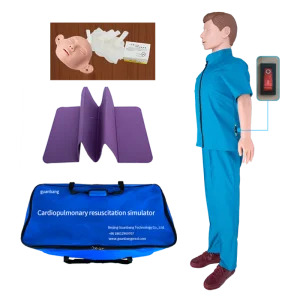
Features live voice correction prompts to guide trainee hand placement and compression speed.
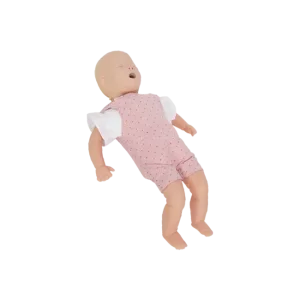
Anatomically correct airway pathways for foreign body back-blow and chest-thrust practice.
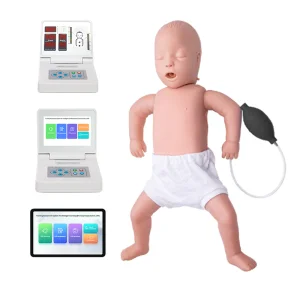
Designed specifically to practice cardiopulmonary techniques on newborns and young infants.
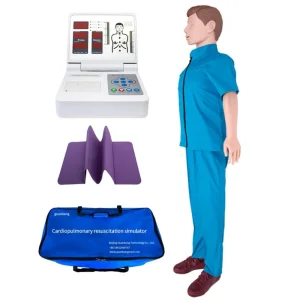
Sturdy construction with digital panel readout. Best option for large cohort college classes.
Faithful skeletal replication of a child's ribcage to ensure correct depth limits during practice.
Innovative software and bright color screen displays for real-time validation scoring.
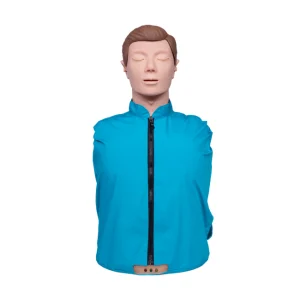
Built-in LEDs show compression speed, positioning, and target depths without external monitors.
 Guanbang Medical