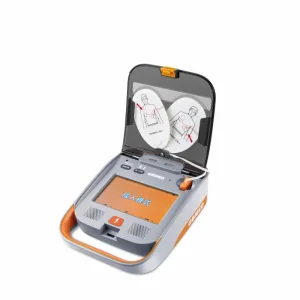
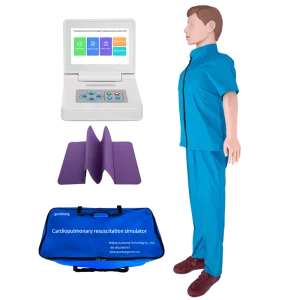
Foreign Body Airway Obstruction (FBAO) remains one of the leading causes of accidental death globally, particularly among infants, toddlers, and the elderly. The "Hymek" Maneuver (medically registered and standardized worldwide as the Heimlich Maneuver, with various phonetic transliterations such as *Hymek* in diverse regional procurement specifications) represents the primary emergency intervention required to expel an airway obstruction. However, executing subdiaphragmatic abdominal thrusts or infant back blows requires precise, tactile muscle memory. Imprecise administration of force can lead to internal visceral injury, while insufficient force fails to dislodge the foreign object, leading directly to cerebral hypoxia and cardiac arrest.
Simulating the physiological conditions of choking requires a mechanism that mimics the human lungs' residual volume. By applying a rapid, upward abdominal thrust under the ribcage, the simulator must measure the artificial rise in intrathoracic pressure. This pressure drives the air column up through the trachea, creating a physical expulsion force sufficient to eject an engineered foreign body.
For educational facilities, military divisions, municipal emergency teams, and medical training academies, utilizing low-fidelity props is no longer acceptable. The industry is pivoting toward high-fidelity, sensor-integrated training systems that provide real-time digital feedback. These platforms ensure that the force, angle, and hand placement of the maneuver conform exactly to guidelines set by the American Heart Association (AHA) and the European Resuscitation Council (ERC).
The global market for medical simulation training products is undergoing rapid expansion. Driven by strict occupational health and safety regulations (such as OSHA mandates in the United States and EU workplace directives), corporate enterprises are now integrating comprehensive first-aid certification programs directly into their internal infrastructure.
Governments are mandating active CPR and choking rescue certifications in hospitality, education, child care, and construction sectors, driving continuous demand for realistic training manikins.
Distributors and medical equipment suppliers require stable, direct-from-factory sourcing to maintain inventory. High-performance models with digital feedback systems have become the market preference.
Modern procurement officers look for systems that integrate with computers or mobile applications, offering electronic evaluation of CPR compression depth, rate, and airway clearance.
As a major manufacturing center, China plays a vital role in the global supply chain for medical education models. Companies like Beijing Guanbang Medical Technology Co., Ltd. leverage advances in material sciences and engineering to supply global markets. These products offer high fidelity and compliance at competitive prices, serving international partners with reliable OEM and ODM capabilities.
Implementing emergency preparedness protocols across large organizations requires more than simply purchasing equipment. It demands custom training configurations tailored to different demographic risks:
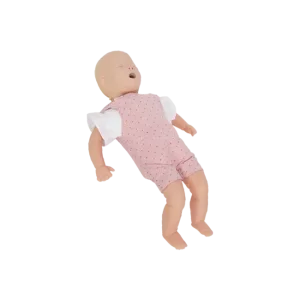
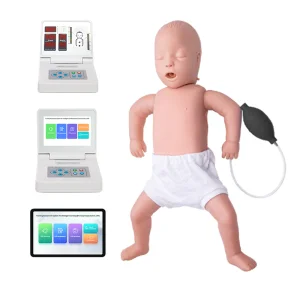
Infants and young children have highly vulnerable airways and fragile bone structures. Simulators like the Infant Airway Infarction Model are engineered to allow safe training in both back blows and chest thrusts. This ensures educators and pediatric care workers can confidently practice the correct amount of force without risk, preparing them to respond effectively in real-world emergencies.
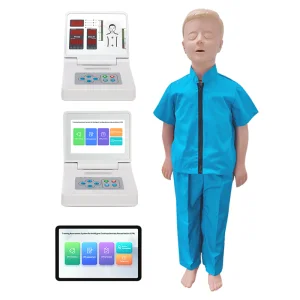
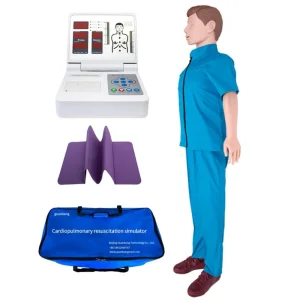
Industrial sites require robust, full-body adult CPR simulators equipped with electronic indicators. The integration of Heimlich/Hymek simulation vests alongside full-body manikins allows teams to train for multi-system trauma. This is particularly useful in environments where respiratory threats, chemical inhalation, or foreign object ingestion could cause airway blockage.
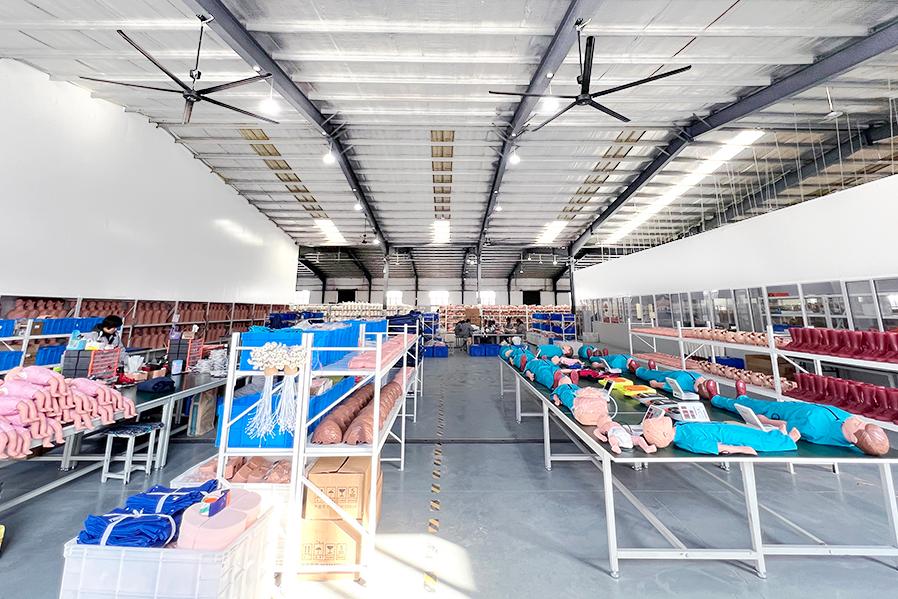
High-fidelity simulators depend on realistic physical characteristics. The resistance and texture of the skin, muscles, and airway tract must match human physiology to ensure effective training.
Selling medical simulation equipment internationally requires meeting various regulatory standards and user preferences. We support our global partners with comprehensive localization and quality assurance solutions.
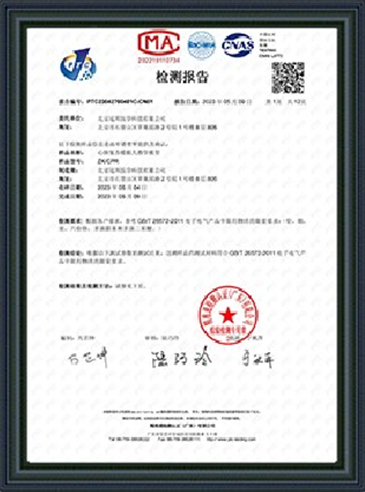
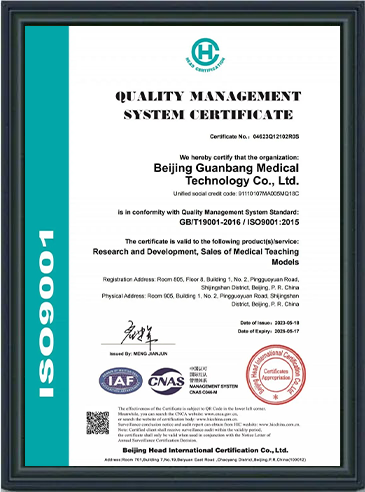
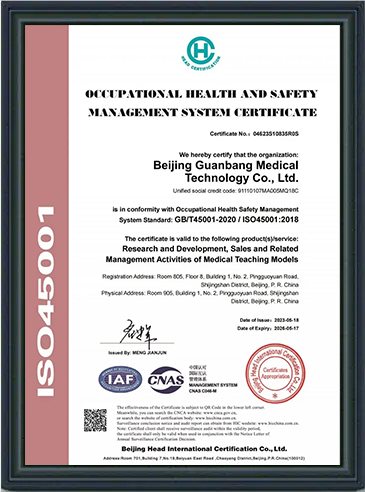
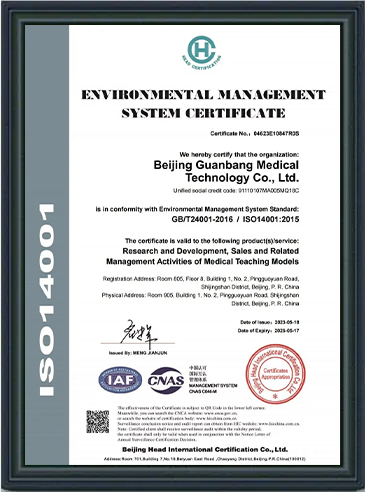
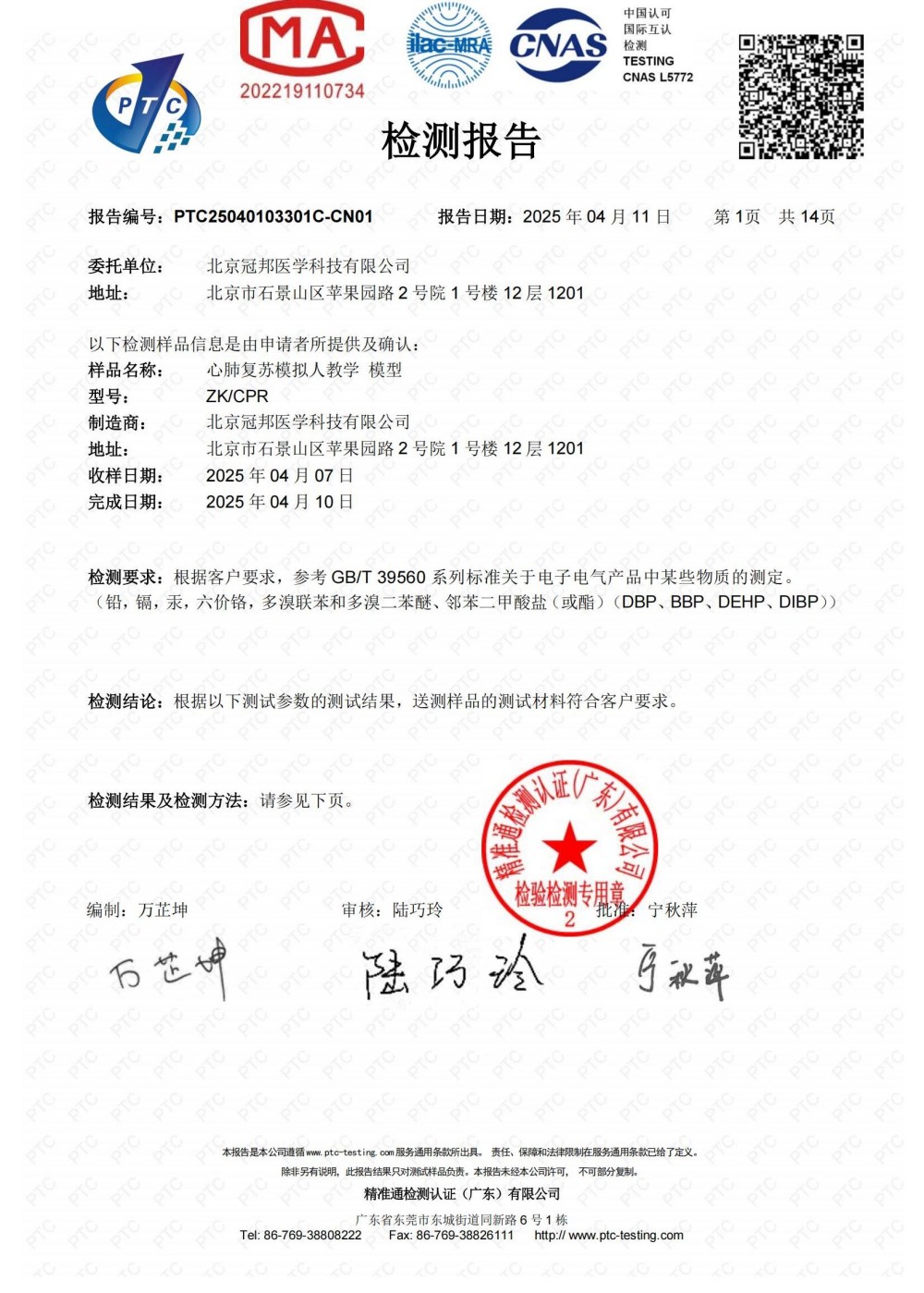
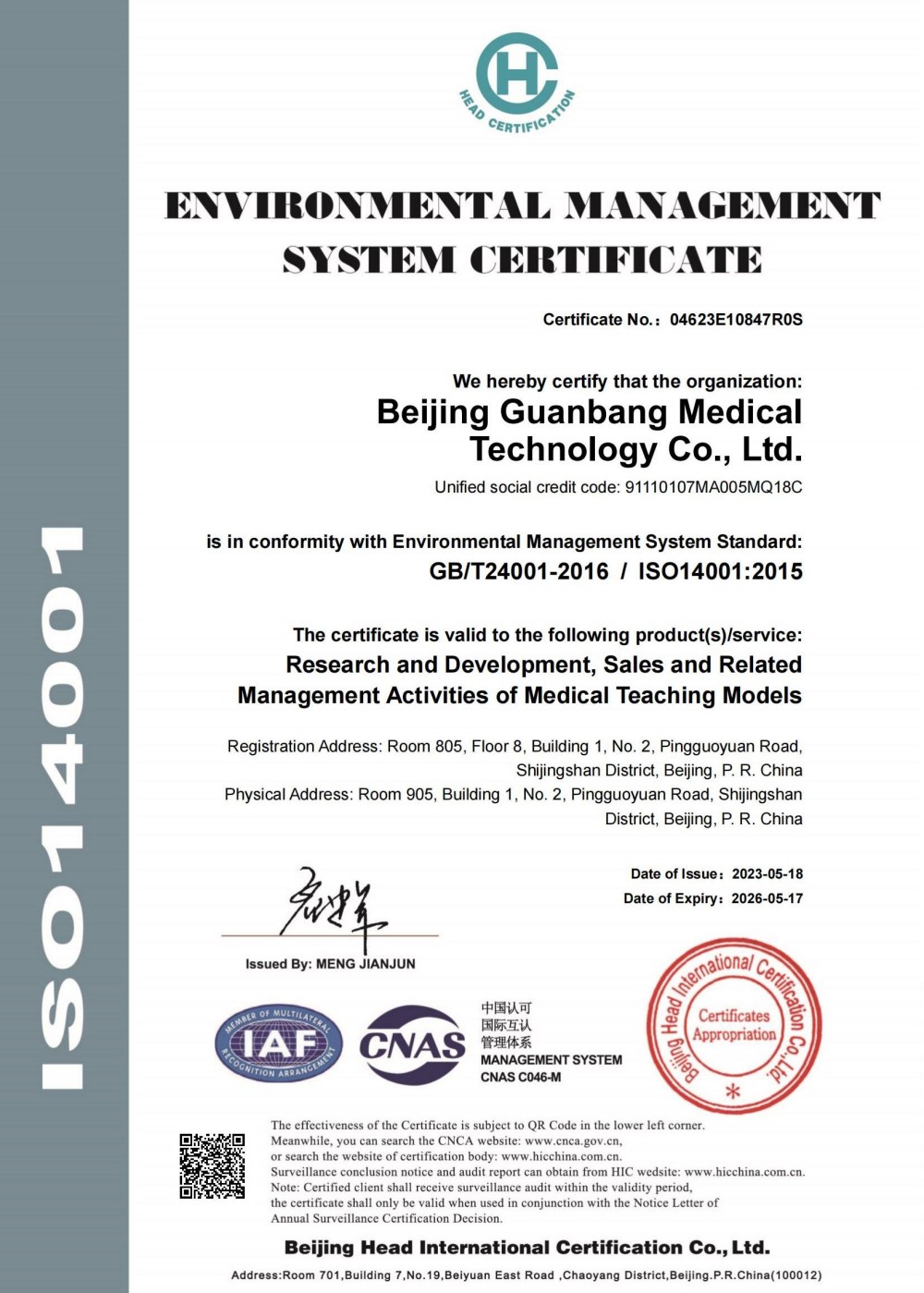
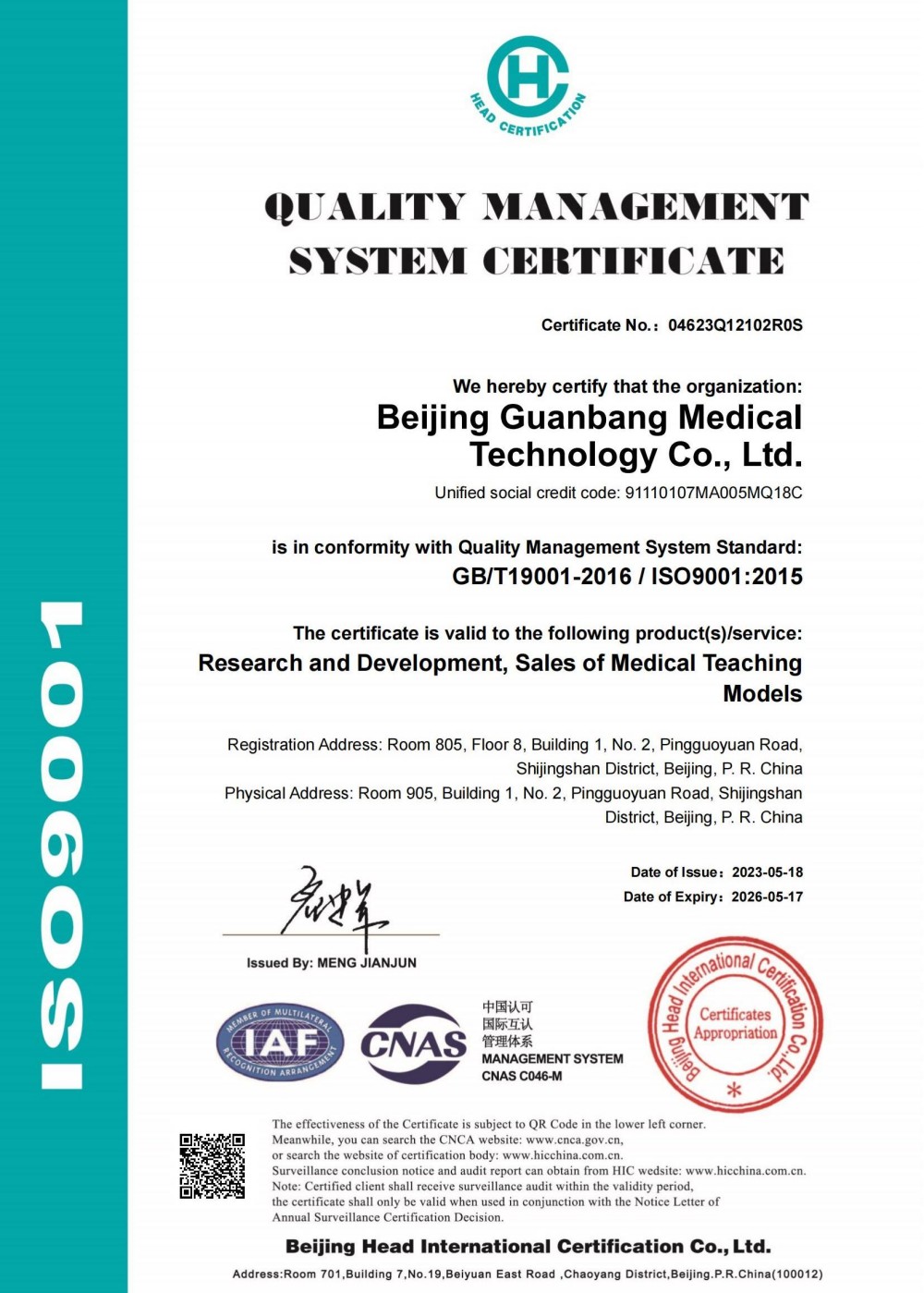
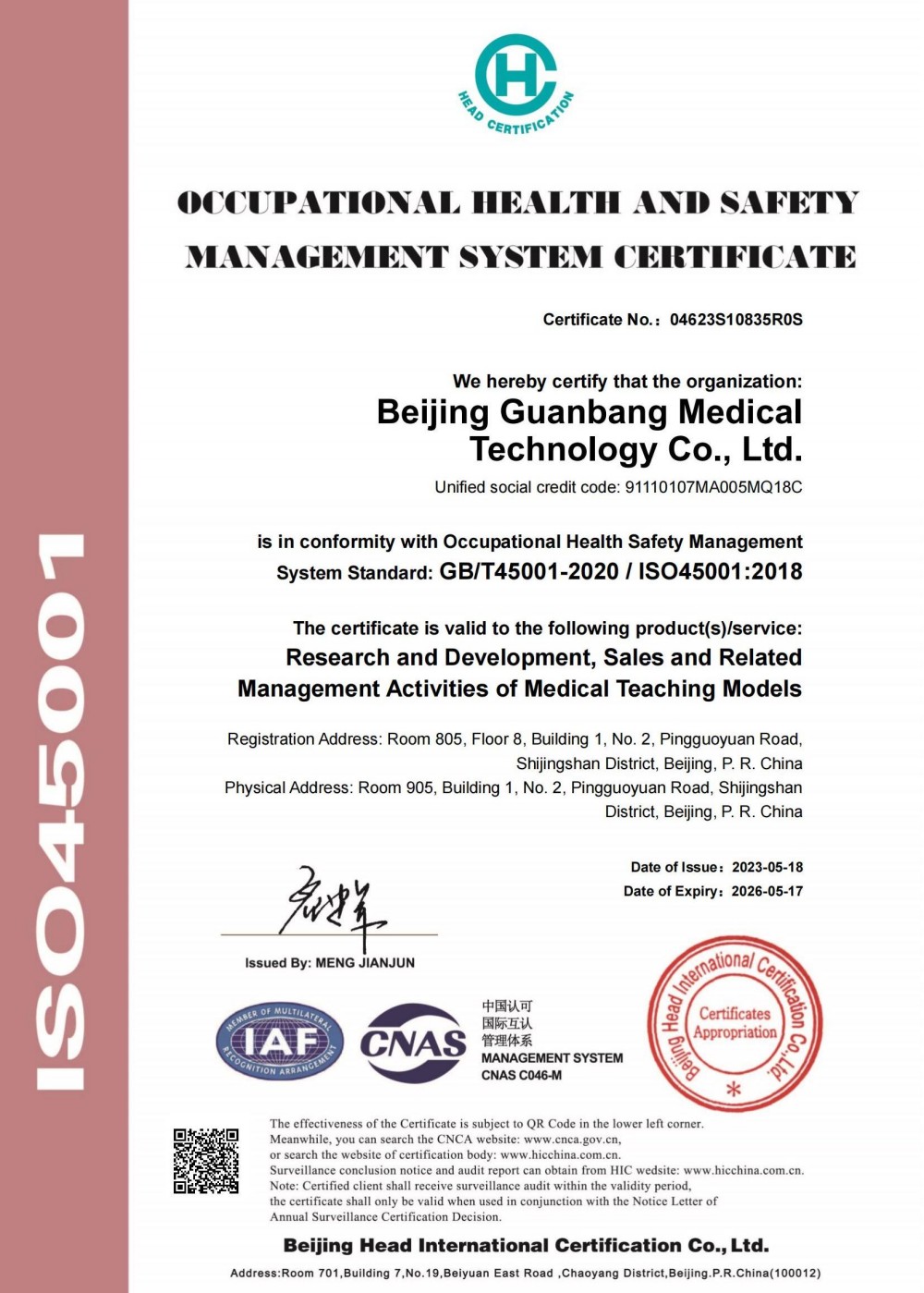
Our manufacturing facility operates under a comprehensive quality management framework, holding certified systems for environmental protection, occupational health and safety, and quality management. This ensures that every model delivered to our partners complies with local safety and quality regulations.
Our simulation platforms are programmed with compression depths (5-6cm for adults) and breath ventilation parameters (500ml-600ml) that match the latest international consensus guidelines.
Electronic CPR control panels and voice prompting systems support English, Spanish, French, and other languages, allowing for seamless integration into diverse regional training environments.
With an annual capacity exceeding 1,000,000 units, we manage secure bulk shipping across Europe, the Americas, Southeast Asia, and the Middle East, ensuring prompt delivery and continuous availability.
As medical training incorporates digital technologies, we are developing smart, interactive features for our simulators:
Founded in Beijing in 2016, Beijing Guanbang Medical Technology Co., Ltd. is an innovative enterprise dedicated to the research, development, design, manufacturing, sales, and service of high-quality simulation training models. With a modern 10,000-square-meter production base, we have established a complete operations network spanning the entire manufacturing process, from initial research and development to global after-sales support.
Our products serve healthcare institutions, educational facilities, corporate safety teams, and emergency services worldwide. We have earned a strong reputation for product quality and reliable service, building a stable and loyal client base across diverse markets.
Our company is backed by a highly skilled R&D team, with core technical personnel holding master’s or doctoral degrees from prestigious institutions like the Chinese Academy of Sciences, Tsinghua University, and Beijing University of Technology. Backed by nearly two decades of industry experience, this management and technical team is dedicated to designing and manufacturing reliable, realistic first-aid training systems.
We specialize in pediatric, infant, and adult simulators, including AED trainers, CPR manikins, and airway obstruction models. We offer approximately 30 different specifications and configurations, and also provide customization services to meet specific regional requirements and training protocols.
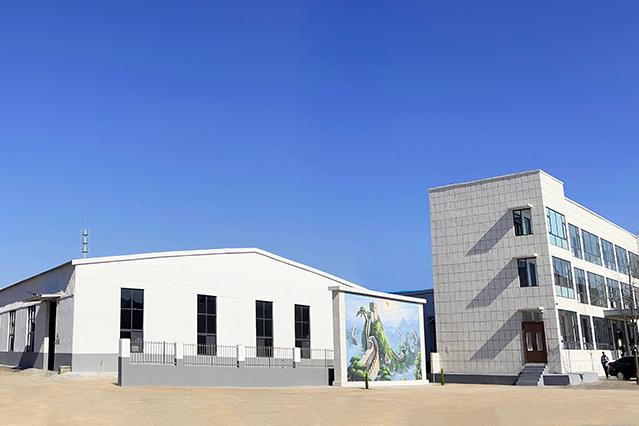
Through our commitment to quality, we have achieved certifications in environmental management, quality management, and occupational health and safety. We also hold multiple utility model patents, design patents, and software copyrights.
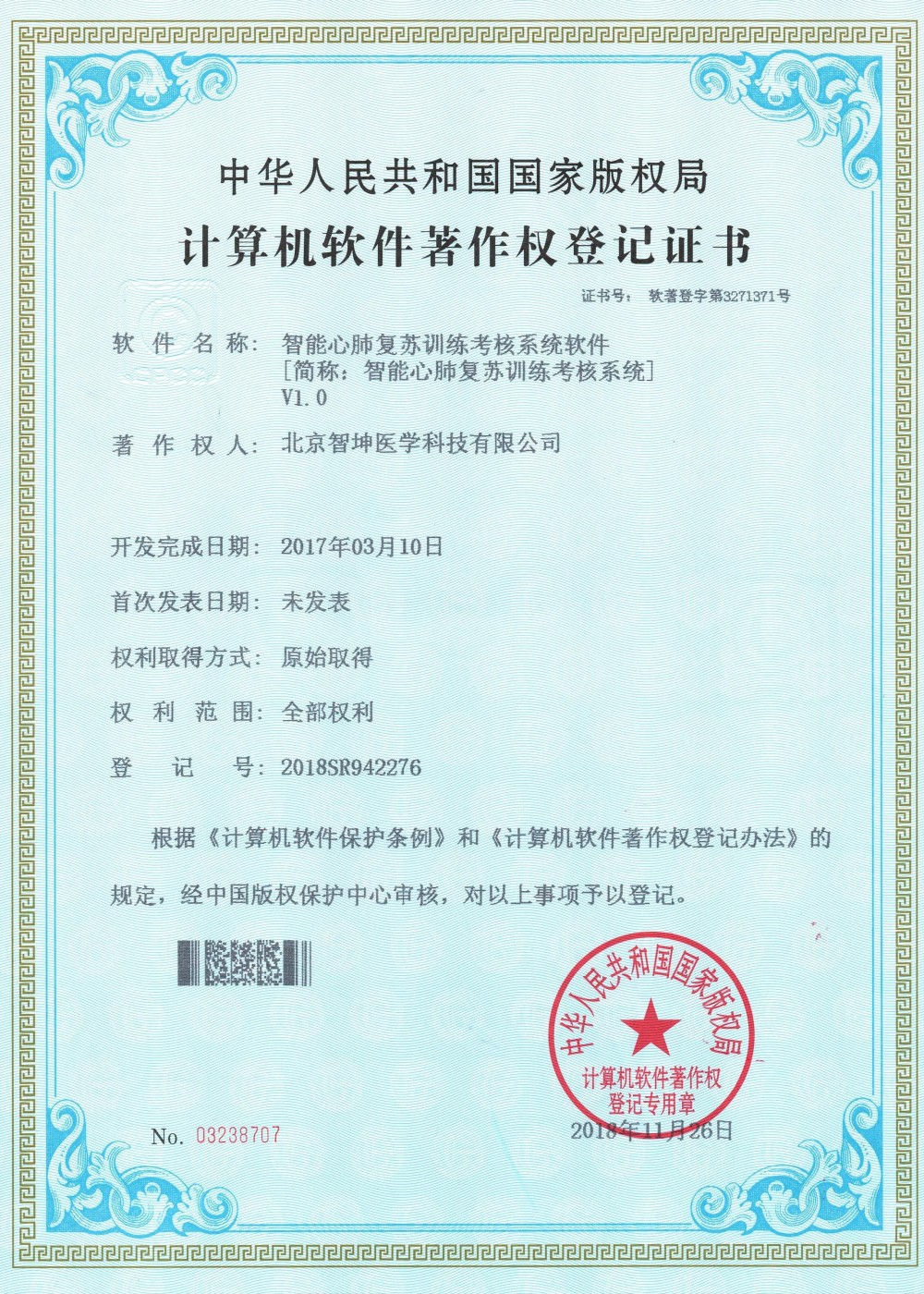
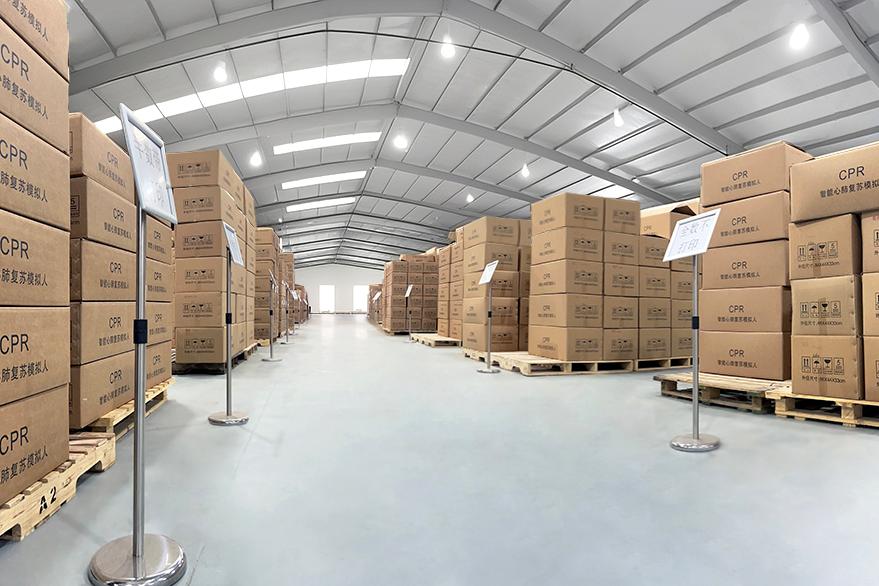
Guanbang is committed to driving innovation and participating in community outreach, public welfare initiatives, and industry exhibitions.
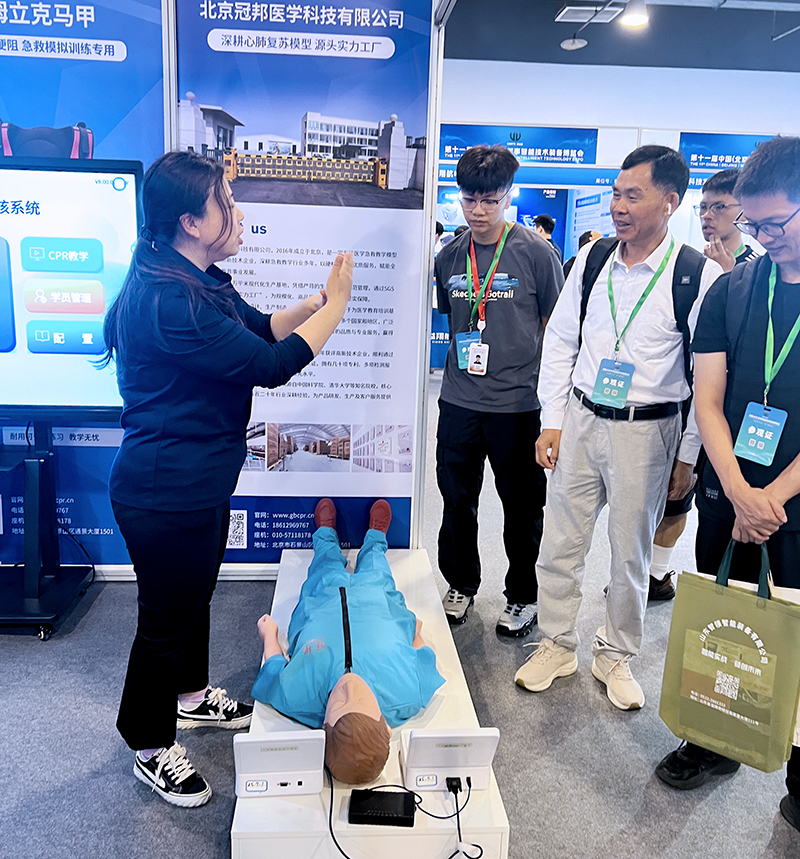
At the Beijing National Convention Center, Guanbang successfully presented its advanced medical skills training models, demonstrating our high-fidelity designs and systems to national emergency defense and medical personnel.
View Detail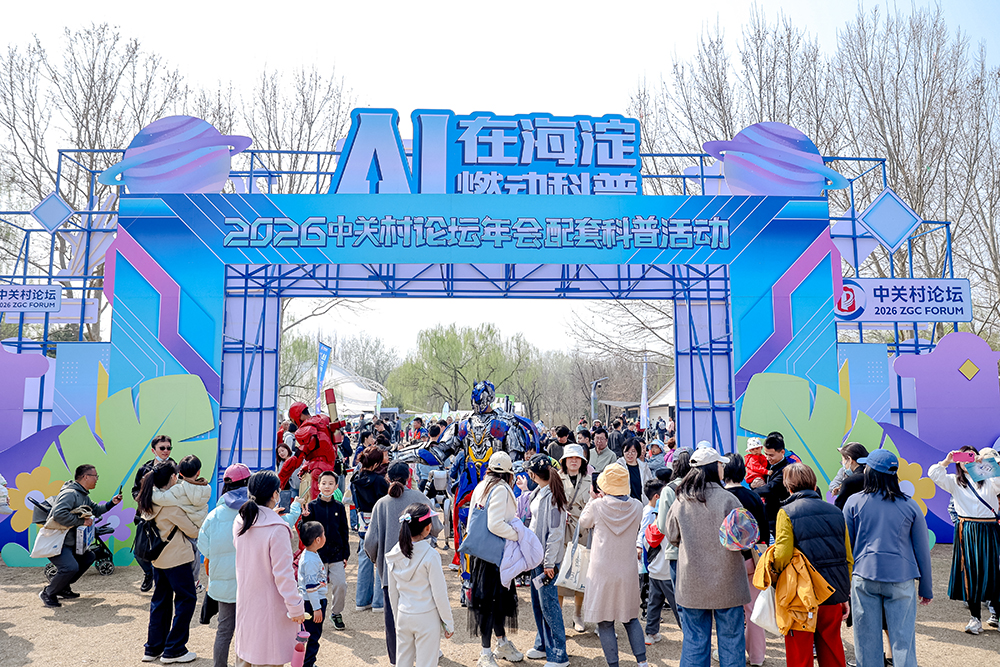
Guanbang demonstrated its software-based CPR simulation systems at the 2026 Zhongguancun Forum. This system allows a single instructor to manage multiple training manikins simultaneously, helping to scale first-aid training efficiently.
View Detail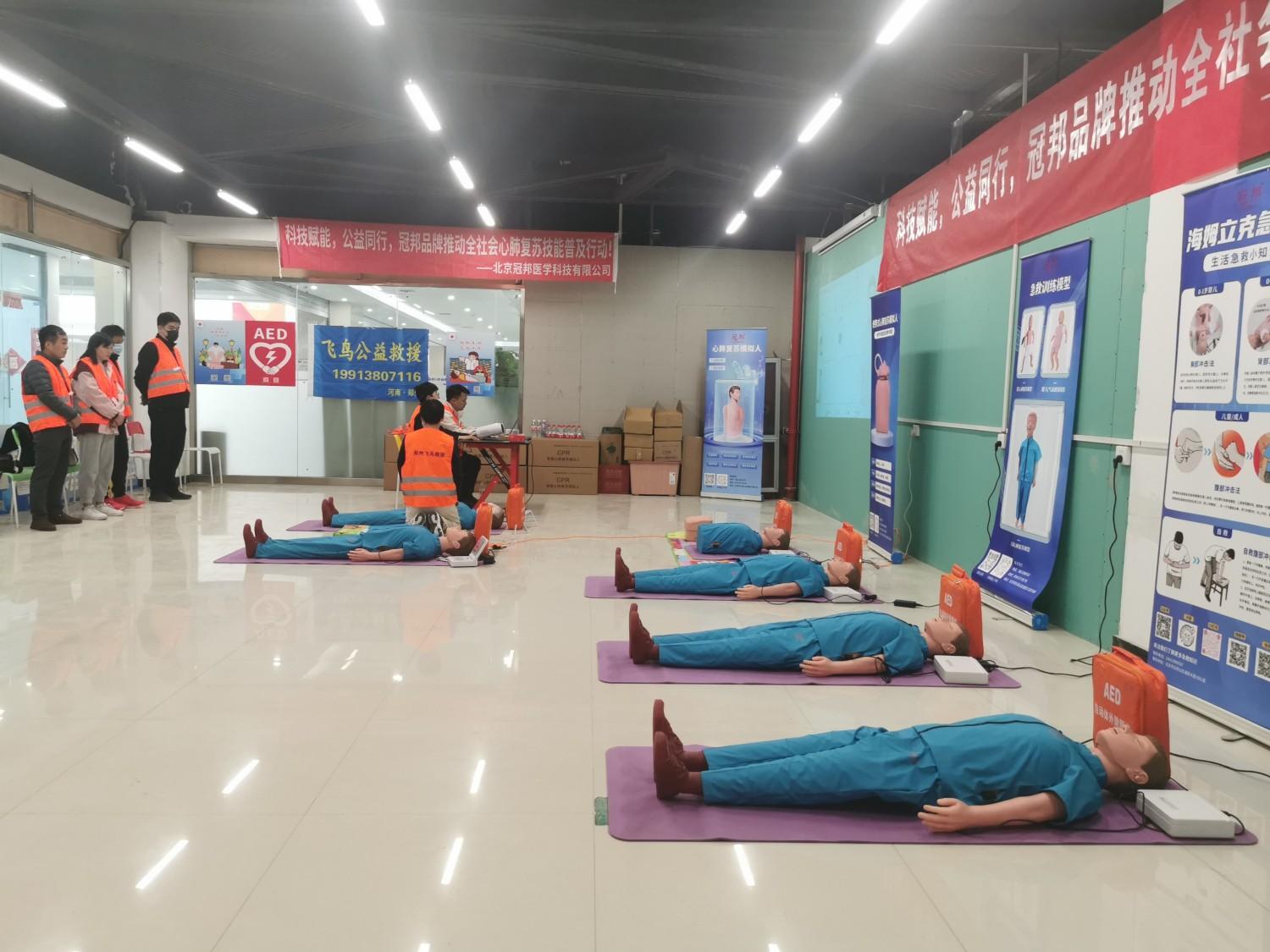
Guanbang partnered with the Zhengzhou Feiniao Emergency Team to open a free, public CPR experience center in Zhengzhou. The center provides local community members with hands-on practice in resuscitation and choking rescue skills.
View Detail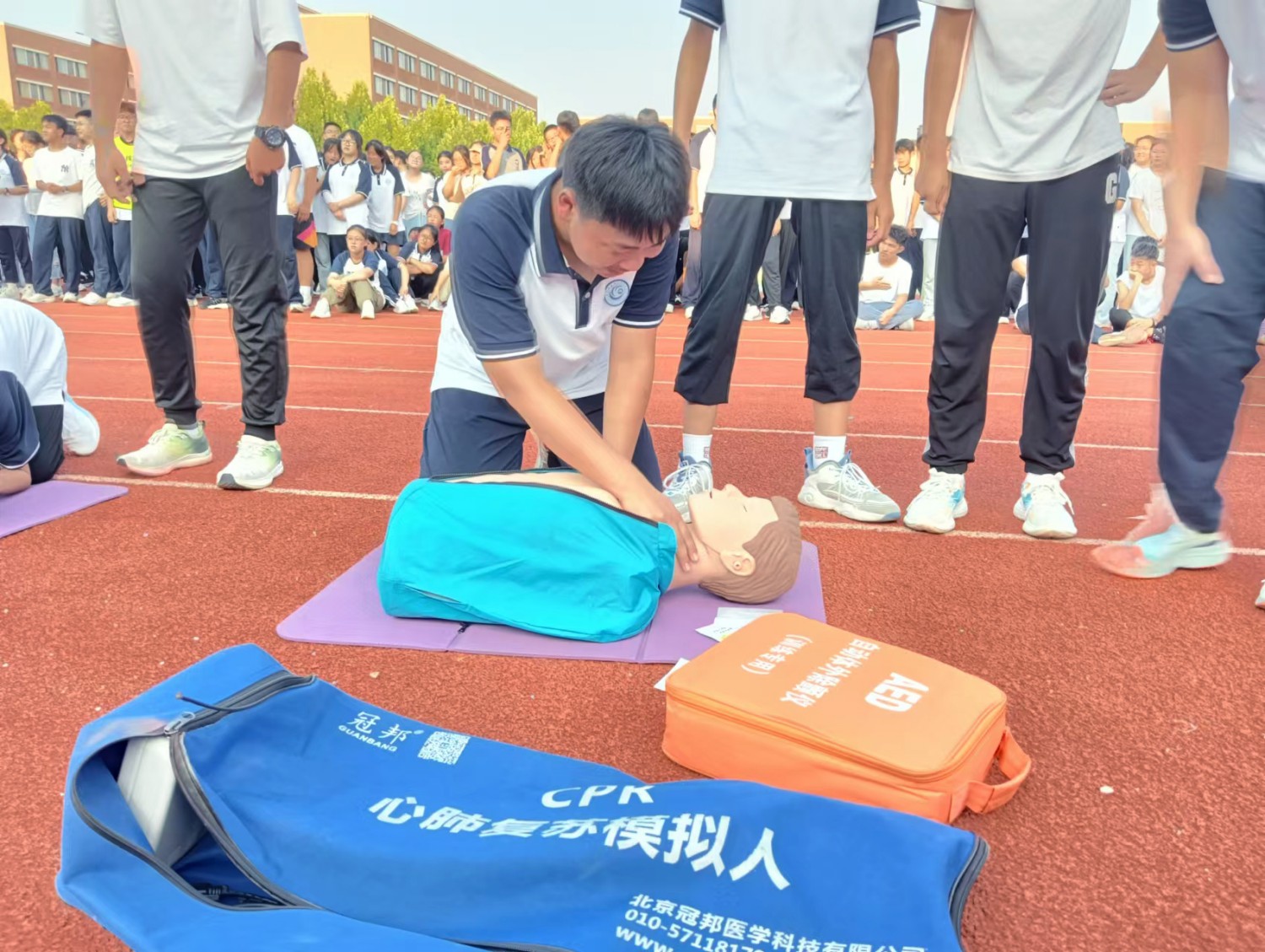
We supplied a batch of CPR simulators to local educational institutions to support first-aid instruction, helping students build practical emergency response skills from an early age.
View Detail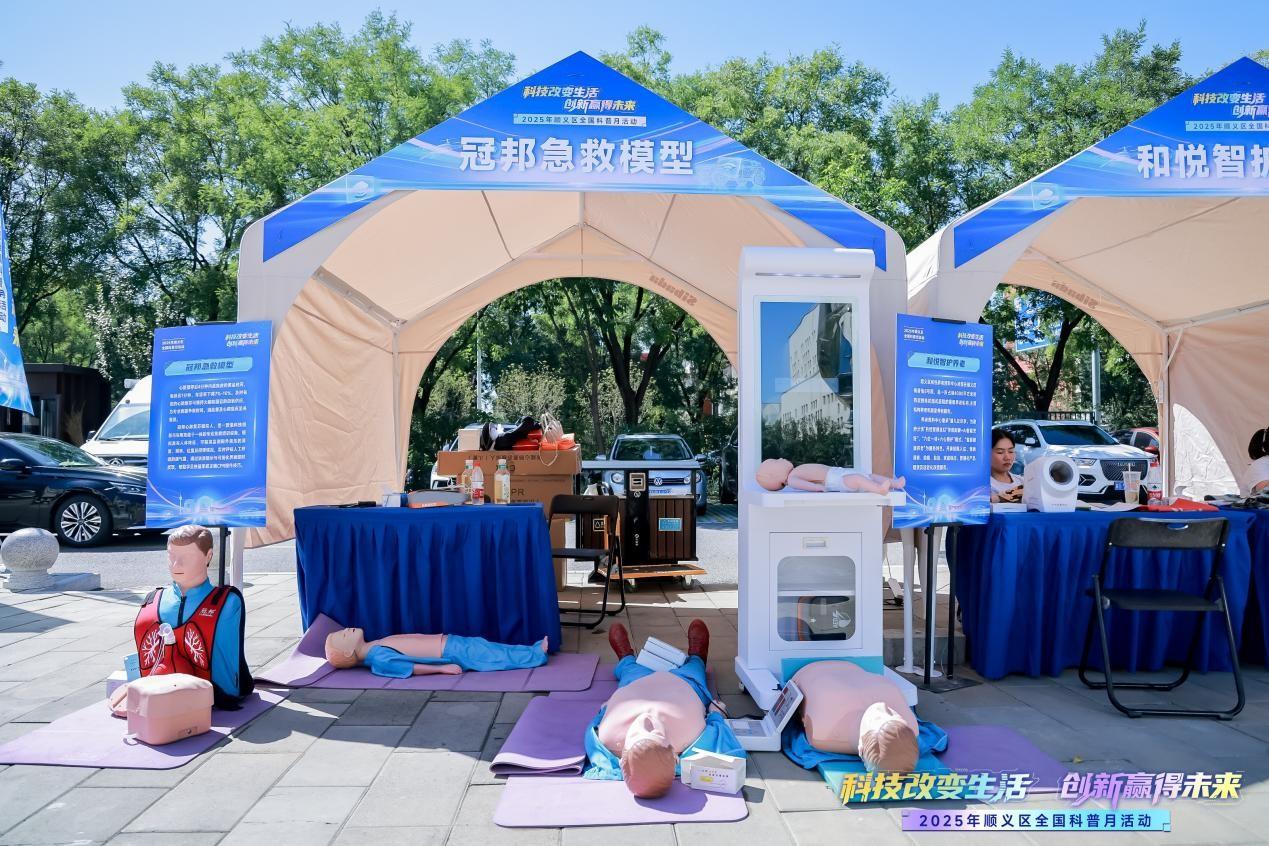
Guanbang brought its intelligent CPR simulators to the Shunyi Science Popularization Month event, offering interactive demonstration sessions that helped attendees of all ages learn and practice first-aid techniques.
View Detail
Guanbang organized a public first-aid awareness event in the Jin'erqu Community in Shijingshan, demonstrating resuscitation and airway clearance techniques to local families.
View Detail
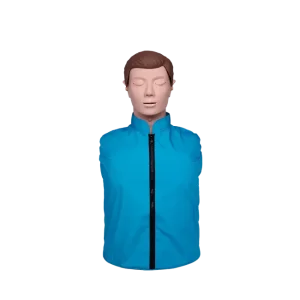
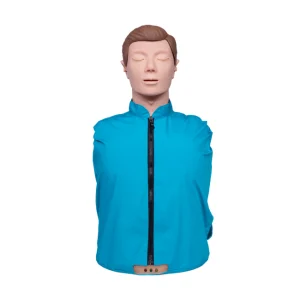
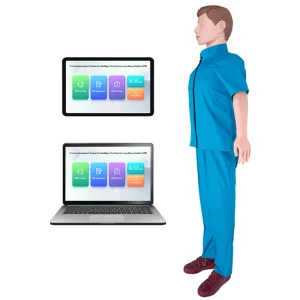
"Hymek" is a regional phonetic variant and procurement search term for the "Heimlich" maneuver (abdominal thrusts). Our simulators are engineered to support training for abdominal thrusts, back blows, and chest thrusts in compliance with AHA guidelines. They are designed to match both terms in global tender specifications.
Our electronic systems provide real-time visual and auditory feedback on key metrics, including chest compression depth, ventilation volume, and hand placement. This ensures trainees apply the correct force and technique, helping to prevent injury in real-world scenarios.
We offer customizations for skin tone, digital control software languages, branding, accessory kits, and specific local regulatory parameters. Custom configurations can be developed to match unique institutional or regional protocols.
We utilize medical-grade Thermoplastic Elastomers (TPE) for the skin and high-durability ABS plastics for the internal framework. Our models undergo cycle testing to ensure they can withstand repeated training sessions in busy classroom environments.
Our manufacturing facility maintains certified systems for quality management, environmental protection, and occupational health and safety. We also hold multiple utility model patents, design patents, and software copyrights to ensure compliance and quality control.
 Guanbang Medical