 Guanbang Medical

The Greater Boston area stands as the global epicentre of medical research, clinical care, and academic medicine. Hosting world-renowned entities like Harvard Medical School, Massachusetts General Hospital (MGH), Boston Medical Center, and countless medical technology startups, the regional demand for cutting-edge Cardiopulmonary Resuscitation (CPR) training systems is governed by strict regulatory compliance, pedagogical precision, and a push towards quantitative feedback systems.
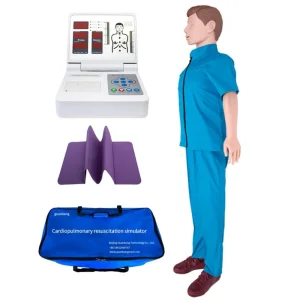
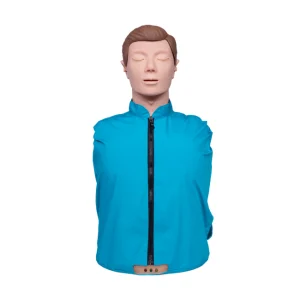
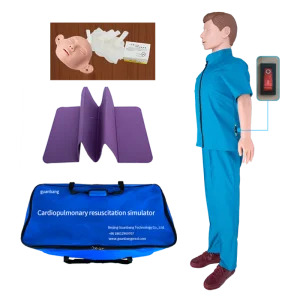
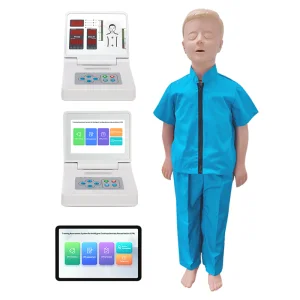
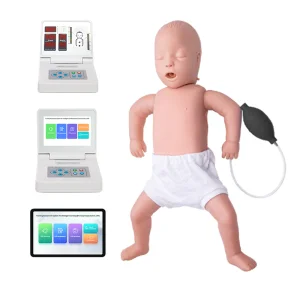
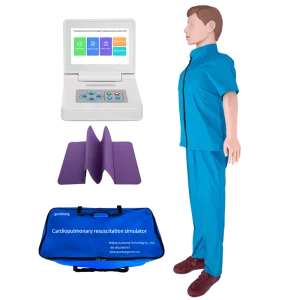
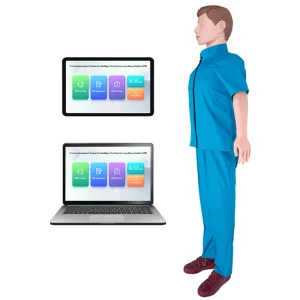
Under the Massachusetts Department of Public Health guidelines and American Heart Association (AHA) standards, healthcare professionals, regional school networks, and corporate wellness initiatives must undergo standardized, traceable training. Traditional, basic plastic manikins are rapidly giving way to sensor-based, digital CPR simulators that offer real-time evaluation of chest compression depth, recoil, rate, and tidal ventilation volume. Consequently, B2B procurement managers, clinical instructors, and institutional distributors require direct-from-factory partnerships that guarantee reliability, custom configurations (OEM/ODM), and international compliance certifications.
Understanding AHA QCPR Directives in New England Institution Procurement
The AHA Guidelines explicitly dictate that CPR training platforms for healthcare providers must feature objective feedback mechanisms. Instructors require digital screens or mobile applications that track whether compressions consistently reach the required depth of 2 to 2.4 inches (5 to 6 cm) and maintain a frequency between 100 and 120 compressions per minute. This regulatory framework drives our product development, shifting the paradigm from mechanical analog indicators to integrated touch screens and cloud-linked tracking software.