A selection of medical education standards optimized for Hanoi's hospitals, schools, and rapid response deployment teams.
An in-depth whitepaper detailing compliance pathways, local clinical needs, and advanced manufacturing practices powering Hanoi’s healthcare training landscape.
Hanoi, as the political and administrative epicenter of Vietnam, is undergoing an unprecedented modernization of its healthcare and occupational safety frameworks. Under the directives of the Ministry of Health (MOH) and Vietnamese Law on Occupational Safety and Health, industrial parks throughout the Hanoi metropolitan area—such as the Thang Long Industrial Park and Quang Minh Industrial Zone—are enacting strict mandates for workforce emergency training. This policy shift has driven a exponential surge in the local procurement of Cardiopulmonary Resuscitation (CPR) simulators and Automated External Defibrillator (AED) trainers.
Unlike static medical teaching equipment of the past, modern buyers in Hanoi demand active feedback models. The training environment includes military hospitals, university simulation centers (such as Hanoi Medical University), and secondary nursing academies. These entities require rugged, high-fidelity devices that withstand high-frequency usage in humid tropical conditions. Securing a reliable supplier means evaluating durability, structural skin resilience, and compliance with domestic and international safety guidelines.
Emergency medical training is experiencing a technological paradigm shift. The historical "clicker" models—which only relied on mechanical sound cues to indicate sufficient compression depth—are being phased out by Vietnamese health ministries in favor of digital feedback arrays.
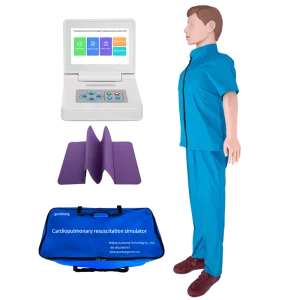
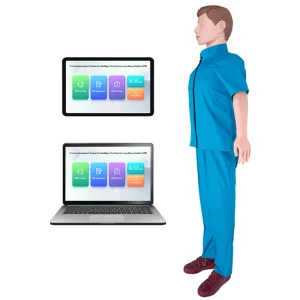
Modern clinical standards mandate high-accuracy tracking of critical resuscitation parameters. Integrated digital controllers record precise compression rate, compression depth, chest recoil velocity, and artificial ventilation volume. These systems visualizer indicators on bright LCD touch screens or project them to remote computer terminals via dedicated software suites.
"The integration of wireless Bluetooth networks and multi-manikin control systems allows a single instructor at Hanoi Medical University to oversee 10+ students simultaneously, reducing assessment times by up to 60% while ensuring uniform compliance with global resuscitation protocols."
Enterprise buyers in Hanoi (especially across aviation sectors like Noi Bai International Airport and public transit networks like the Hanoi Metro) look for holistic training solutions. This requires the integration of CPR manikins with AED (Automated External Defibrillator) trainer units.
By designing a unified ecosystem where the simulator interacts directly with defibrillation trainers, instructors can teach the full chain of survival:
| Feature Category | Basic Analog Models | Mid-Range Electronic Indicator Models | Advanced Software/Touch Screen Models |
|---|---|---|---|
| Compression Feedback | Mechanical spring clicker sound only | LED strip indicators (Yellow/Green/Red) | Real-time wave graphs showing exact depth in mm |
| Ventilation Assessment | Visual chest rise only | Electronic volume alarm system | Digital intake volume bar graphs (ml) |
| Software Connectivity | None | Local micro-controller unit | USB, Bluetooth, Android/Windows software platforms |
| Guideline Updates | Manual structure change required | Firmware reprogramming support | Instant software update patches (AHA 2020 / 2025 guidelines) |
When importing simulators to Hanoi, distributors and institutions must consider Vietnam’s complex regulatory environment. Medical simulators must align with the American Heart Association (AHA) and European Resuscitation Council (ERC) guidelines. Equipment that does not adhere strictly to these benchmarks will not qualify for clinical training programs.
Furthermore, localizing the human-machine interface is crucial. Our models support complete firmware localization, offering native Vietnamese voice-prompt systems, clear translated operating systems on the touch-screen control interfaces, and custom user manuals designed for easy adoption by local trainers.
As a premier manufacturer in Beijing with a modern 10,000-square-meter facility, Beijing Guanbang Medical Technology Co., Ltd. applies high-efficiency smart manufacturing technologies to the production of high-fidelity simulators. Key elements of our manufacturing ecosystem include:
B2B buyers, NGOs, and medical equipment distributors sourcing for tenders in Vietnam should carefully verify three core components:
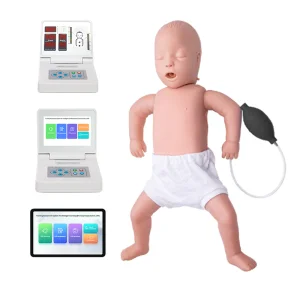
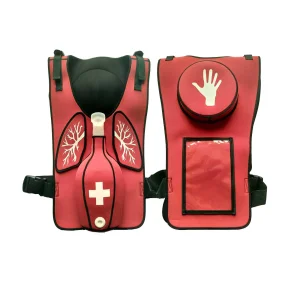
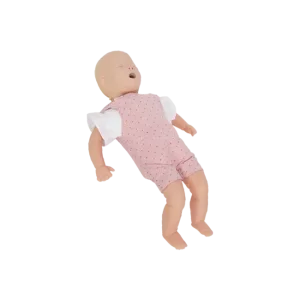
A comprehensive lineup of advanced trainers covering pediatric, adult, choking, and advanced electronic feedback technologies.
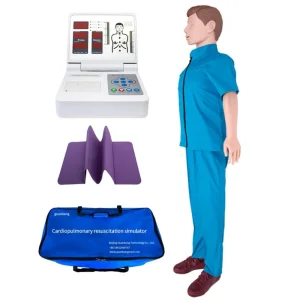
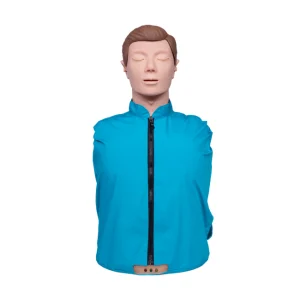
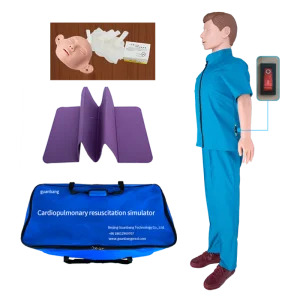
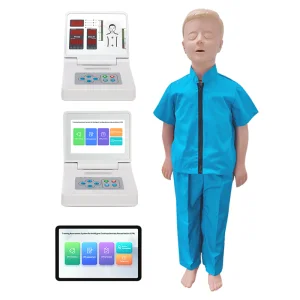
Expert answers addressing the importing, customization, and deployment of CPR trainers in Vietnam.
 Guanbang Medical